Blogging for Beginners: A Comprehensive Guide to Starting a Successful Blog
Are you interested in sharing your thoughts, experiences, and expertise with a wider audience? Blogging is an excellent way to establish yourself as an authority in your niche, build a community, and drive traffic to your website. In this step-by-step tutorial, you will learn the fundamentals of blogging for beginners, including how to set up your blog, create engaging content, and promote your work. By the end of this guide, you will have a solid understanding of how to start a blog and make it successful.
Step 1: Choosing a Niche for Blogging for Beginners
Before you start blogging, it's essential to choose a niche that you're passionate about and have expertise in. Your niche will determine the type of content you create, the audience you target, and the tone you use. Consider what problems you can solve for your readers, what topics you enjoy discussing, and what sets you apart from others in your industry. For example, if you're a fashion enthusiast, you could start a blog about the latest trends, styling tips, and product reviews. 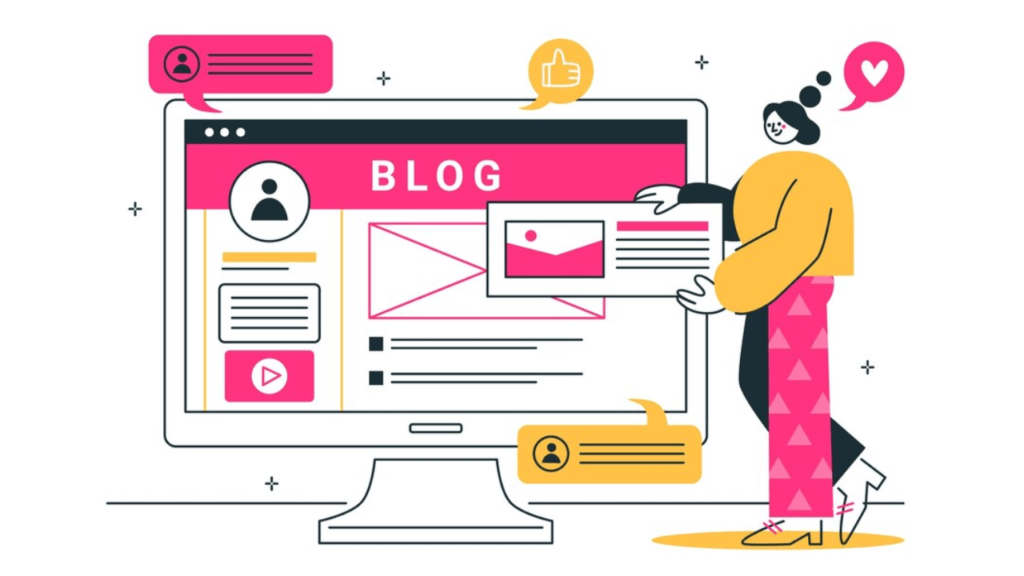
Step 2: Setting Up Your Blogging Platform
Once you've chosen your niche, it's time to set up your blogging platform. You have several options to choose from, including WordPress, Blogger, and Wix. Consider the ease of use, customization options, and integrations with social media and other tools. For instance, WordPress is a popular choice among bloggers due to its flexibility, scalability, and extensive plugin library. 
Step 3: Registering a Domain Name and Web Hosting
To establish a professional online presence, you need to register a domain name and web hosting service. Your domain name should be memorable, easy to spell, and relevant to your niche. Web hosting services like Bluehost, SiteGround, and HostGator offer reliable and secure hosting solutions. Make sure to choose a plan that meets your needs, including storage space, bandwidth, and customer support. For example, if you're just starting out, a shared hosting plan may be sufficient, but as your blog grows, you may need to upgrade to a VPS or dedicated hosting plan.
Step 4: Designing and Customizing Your Blog
The design and layout of your blog play a crucial role in user experience and engagement. Choose a theme that's responsive, clean, and easy to navigate. Customize your blog's colors, fonts, and logos to reflect your brand identity. Consider adding a header, footer, and sidebar to enhance the visual appeal and functionality of your blog. You can also add widgets, plugins, and social media links to integrate your blog with other online platforms.
Step 5: Creating Engaging Content for Blogging for Beginners
Content is the heart and soul of your blog, and it's essential to create high-quality, engaging, and informative content that resonates with your audience. Develop a content strategy that includes blog posts, articles, videos, and social media updates. Use a conversational tone, optimize your content with keywords, and include visuals like images, infographics, and videos to break up the text. For instance, you can create a series of blog posts on a specific topic, like "10 Tips for Blogging for Beginners" or "The Ultimate Guide to Starting a Successful Blog".
Step 6: Promoting Your Blog and Building an Audience
Promoting your blog and building an audience is crucial to its success. Share your content on social media platforms like Facebook, Twitter, and Instagram, and engage with your followers by responding to comments and messages. Collaborate with other bloggers, influencers, and industry experts to expand your reach and credibility. Consider guest blogging, participating in online communities, and running contests or giveaways to attract new readers.
Step 7: Measuring and Analyzing Your Blog's Performance
To understand your blog's performance and make data-driven decisions, you need to measure and analyze your traffic, engagement, and conversion rates. Use tools like Google Analytics, Google Search Console, and social media insights to track your metrics and identify areas for improvement. Monitor your blog's speed, responsiveness, and user experience to ensure that it's optimized for search engines and users. For example, you can use Google Analytics to track your page views, bounce rate, and average session duration, and adjust your content and marketing strategies accordingly.
Frequently Asked Questions (FAQs)
Q: What is blogging, and why is it important? A: Blogging is the process of creating and publishing online content to share information, express opinions, and build a community. It's essential for establishing yourself as an authority in your niche, driving traffic to your website, and generating leads and sales.
Q: How do I choose a niche for my blog? A: Choose a niche that you're passionate about, have expertise in, and can solve problems for your readers. Consider your interests, skills, and experience, and research popular topics and trends in your industry.
Q: What is the best blogging platform for beginners? A: The best blogging platform for beginners depends on your needs, preferences, and goals. Popular options include WordPress, Blogger, and Wix, each with its pros and cons. Consider the ease of use, customization options, and integrations with social media and other tools.
Q: How do I promote my blog and build an audience? A: Promote your blog by sharing your content on social media, collaborating with other bloggers and influencers, and engaging with your followers. Build an audience by creating high-quality, engaging, and informative content, and providing value to your readers. Consider guest blogging, participating in online communities, and running contests or giveaways to attract new readers.
Blogging Tips: 5 Easy Tips To Becoming A Better Blogger.

Blogging tips: 5 Easy tips to becoming a better blogger.
Blogging For Beginners: How To Set Up One For Free

Blogging for Beginners: How to Set Up One for Free
Blogging Basic For Beginners
Blogging Basic For Beginners